Why Hard Work Alone Isn’t Delivering Results?
Most gym routines are built around intensity.
If a workout feels hard, it’s assumed to be effective. Over time, this creates confusion. Exhaustion becomes the marker of success, not progress.
People end up working harder without knowing whether they’re moving forward.
Smart fitness reframes this approach. Instead of asking how hard a session was, it asks a more important question:
From Working Harder to Training With Intent
Training with intent means every workout has a role.
Each movement supports a larger plan. Each session connects to the one before it.
This doesn’t mean workouts become complicated. It means they become purposeful.
For busy professionals, this shift matters. When time is limited, clarity matters more than intensity. Training becomes easier to maintain even during demanding workweeks.
Smart Fitness Is About Structure, Not Complexity
Smart fitness is often mistaken for technology-driven training.
While tools and equipment can support the process, they are not the foundation.
Structure is.
Structured training follows a plan that evolves gradually. Strength, endurance, and recovery are progressed deliberately. Changes are small, but intentional.
Over time, these changes compound.
Instead of constantly changing workouts, structure removes guesswork and creates direction.
Why Unstructured Workouts Quietly Stall Progress
Many gym-goers unknowingly repeat the same routines for months.
The same exercises.
The same weights.
The same pace.
The body adapts, but the program does not.
Without progression or feedback, progress stalls quietly. Results start to feel random. Motivation fades not because people stop caring, but because effort no longer connects to improvement.
Smart fitness prevents this by building in checkpoints. Progress is observed, not assumed. Adjustments happen before frustration sets in.
Training That Respects Recovery and Real Life
Recovery is often treated as optional in busy schedules.
Rest days feel unproductive. Lighter sessions feel like compromise.
Smart fitness treats recovery as part of the system.
Planned rest, sustainable pacing, and realistic training loads reduce injury risk and prevent burnout. Training starts supporting life instead of competing with it.
This approach feels realistic for professionals balancing work pressure, personal commitments, and long-term health.
Why Environment Plays a Bigger Role Than Motivation
Structure works best in the right environment.
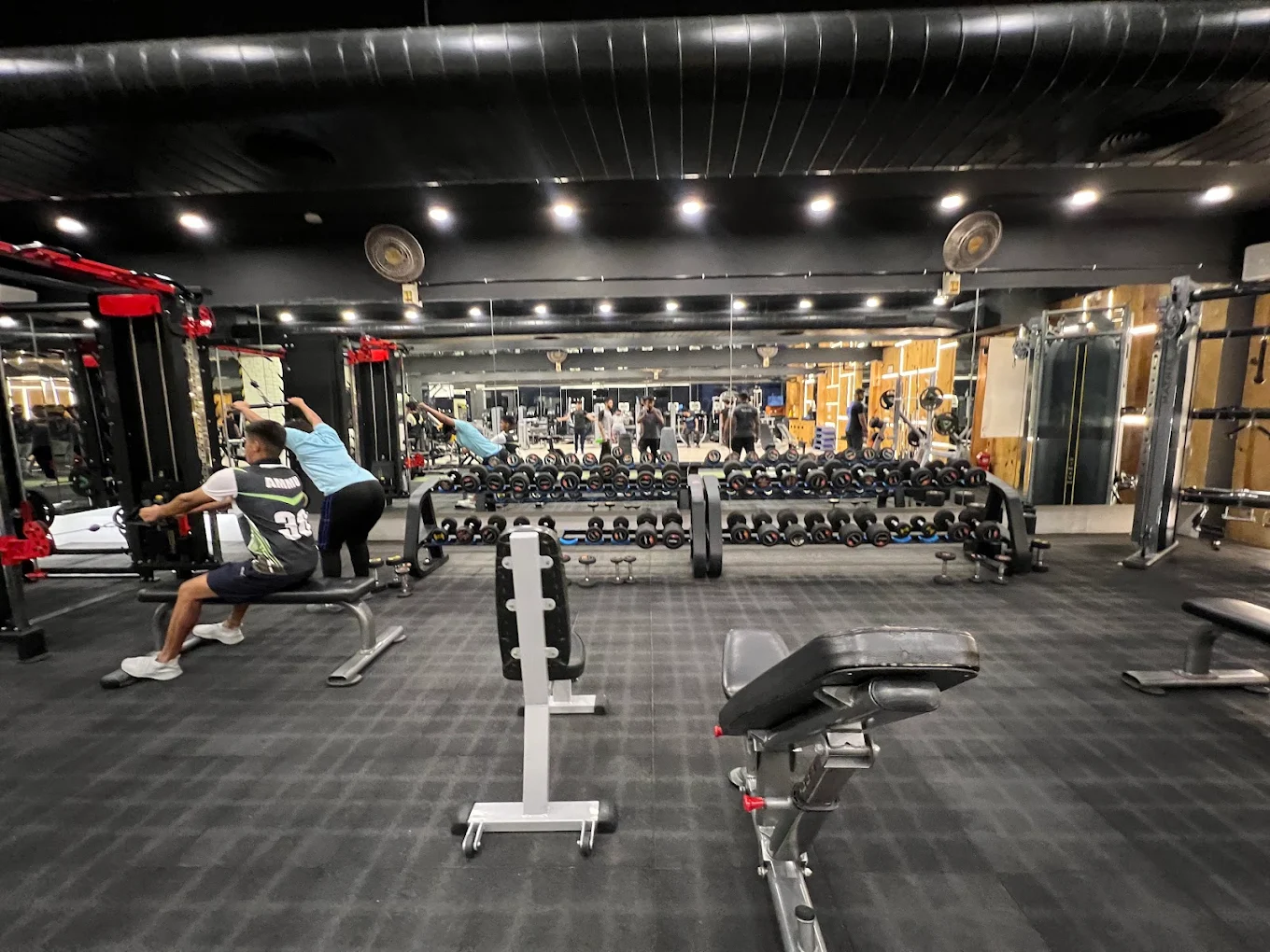
Clear layouts, modern equipment, and guided routines reduce mental fatigue. You spend less time deciding what to do and more time executing with focus.
Premium but approachable gyms play a quiet role here. Not by intimidating, but by simplifying the training experience.
A calm, well-designed environment reinforces consistency instead of relying on motivation alone.
How Smart Fitness Builds Long-Term Confidence
One of the most overlooked benefits of smart fitness is psychological.
When training feels logical, doubt reduces. Missed sessions no longer feel like failure. Progress is viewed across weeks and months, not individual workouts.
Fitness stops feeling fragile.
Confidence replaces pressure. Consistency becomes natural.
A Smarter Way to Think About Fitness Progress
Smart fitness replaces randomness with clarity.
It respects time, energy, and real-world constraints while still delivering measurable progress.
For anyone who has trained hard but felt uncertain about results, understanding smart fitness is often the first step toward a more stable and sustainable approach to fitness.
This is not about doing more.
It is about training with intention, inside a system that actually works.
Thinking About Training Smarter?
Explore how Fit24 approaches smart, structured training
Smart fitness starts with structure and clarity.